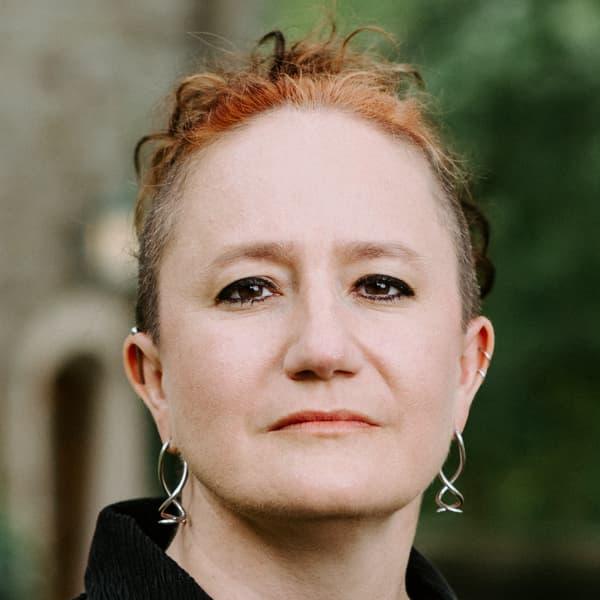
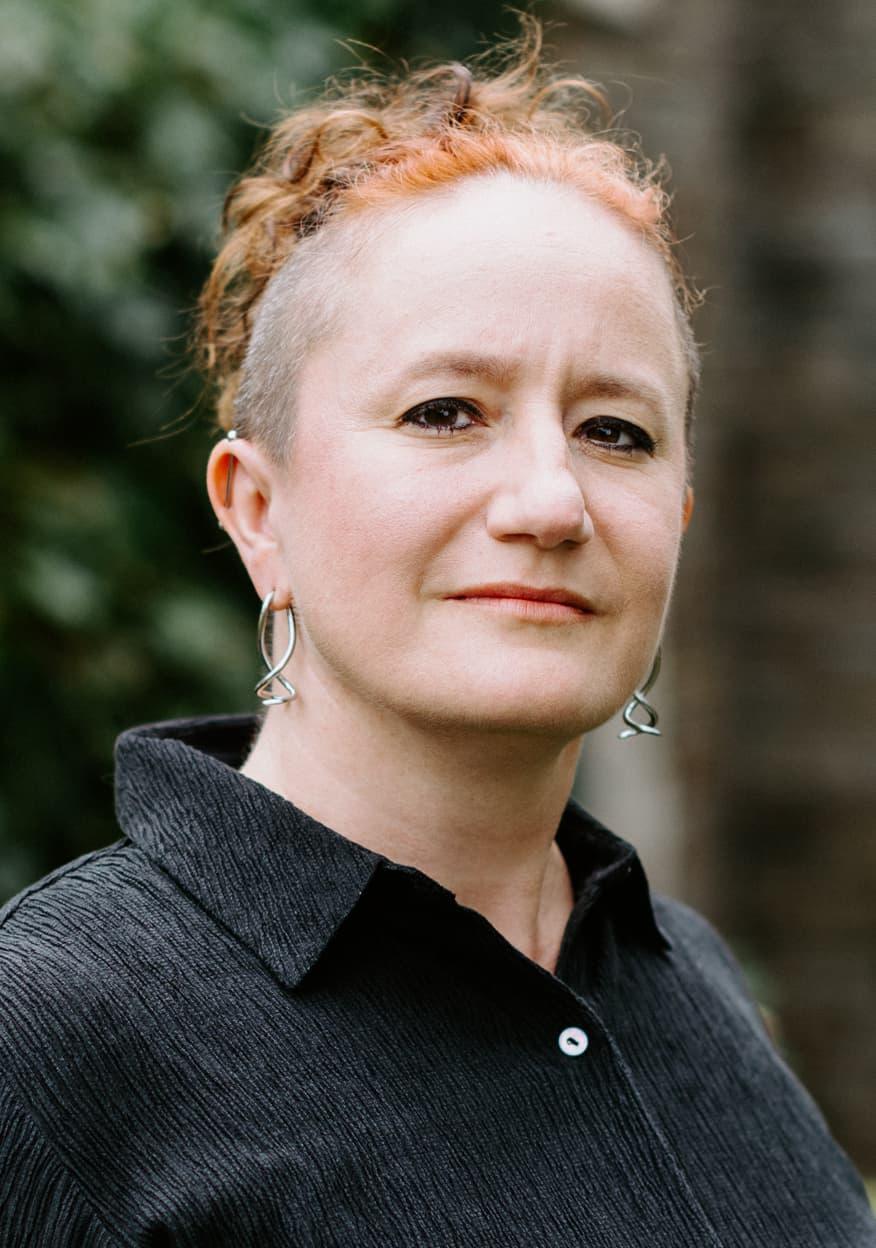
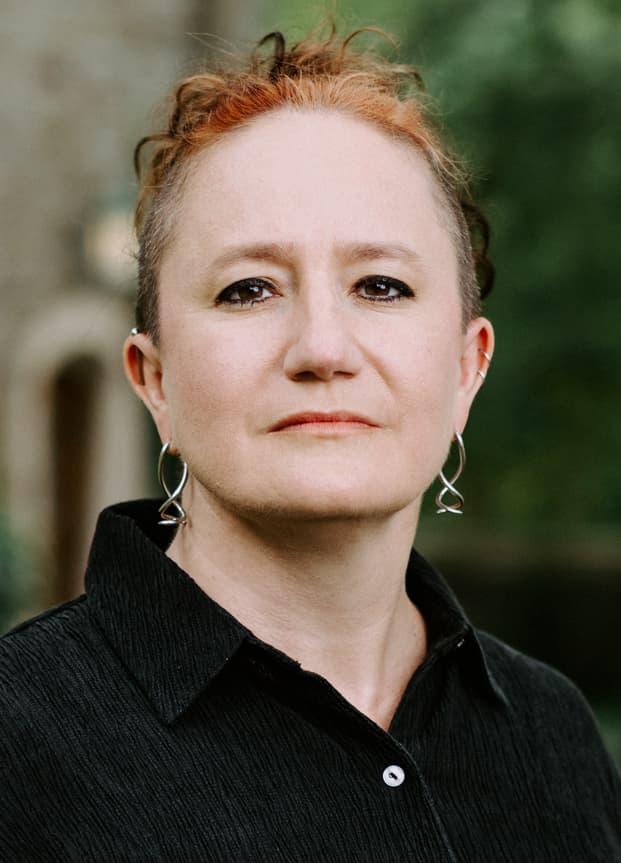
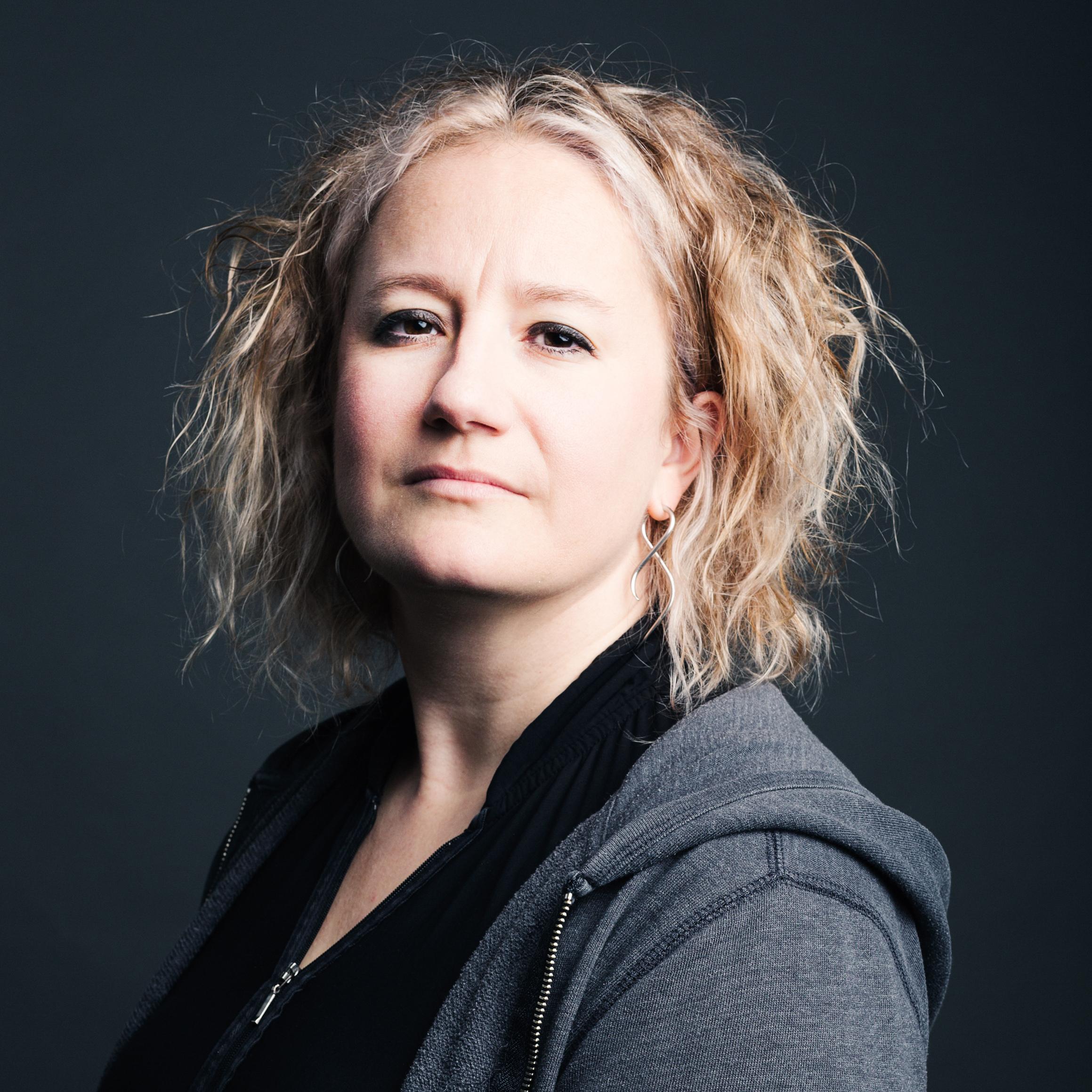
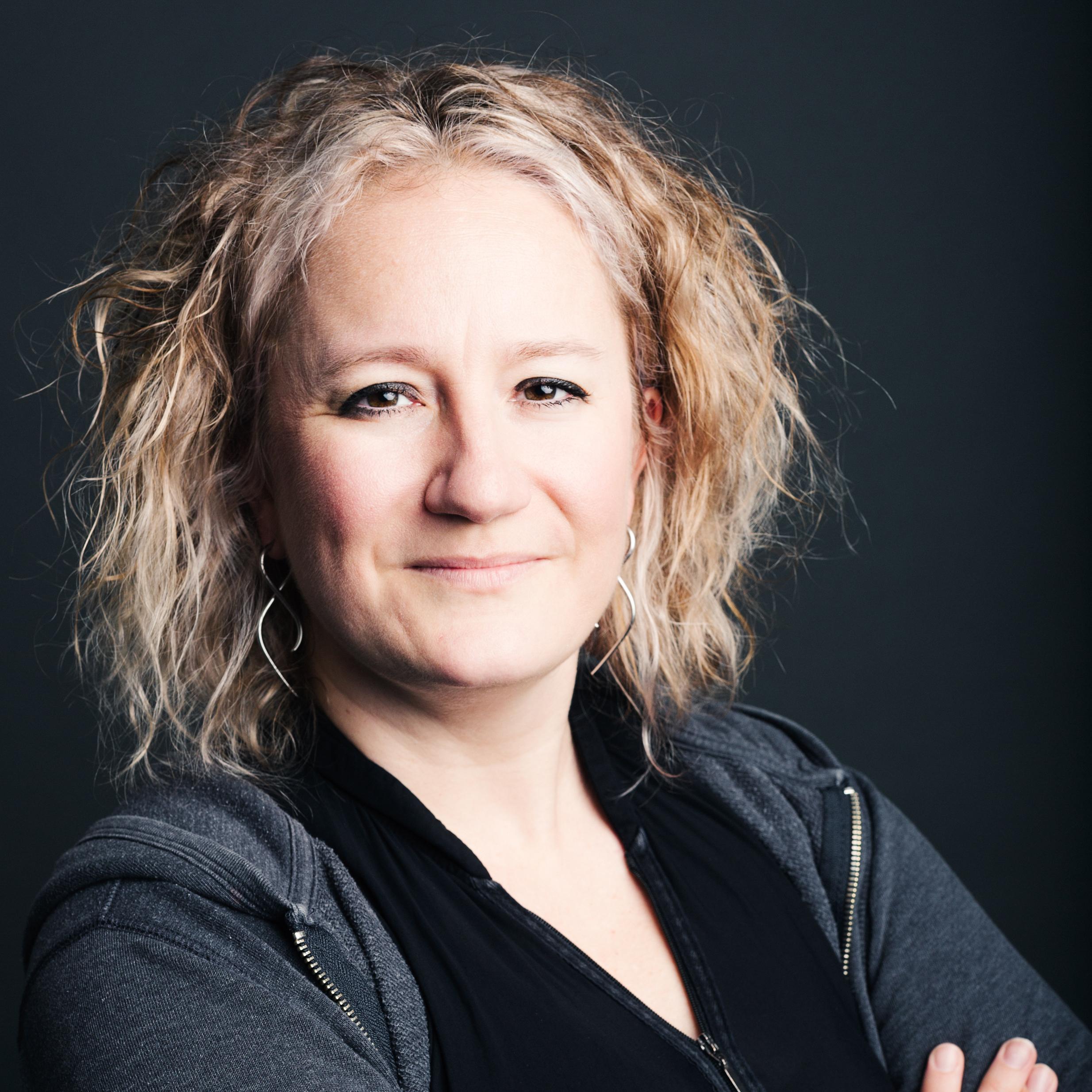
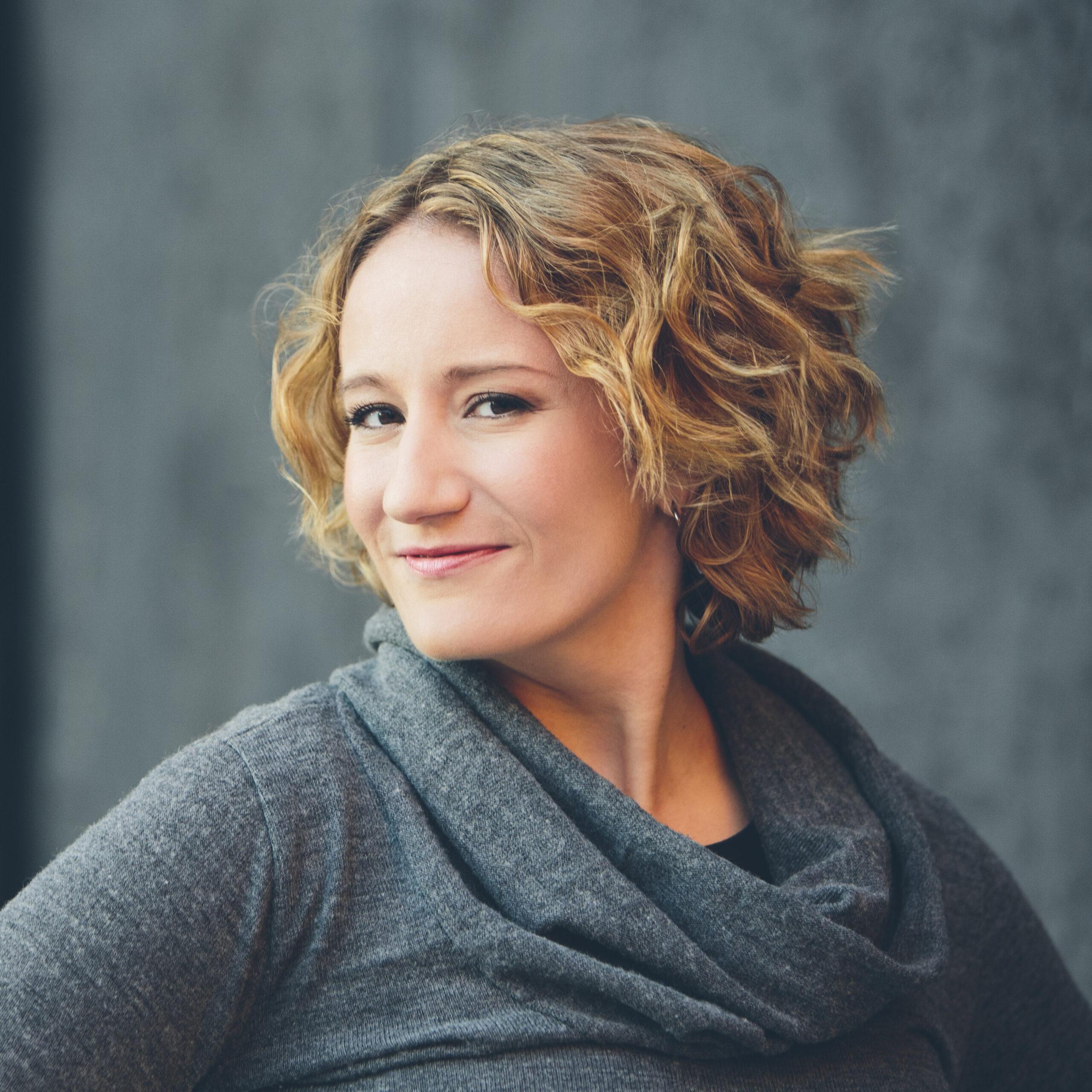
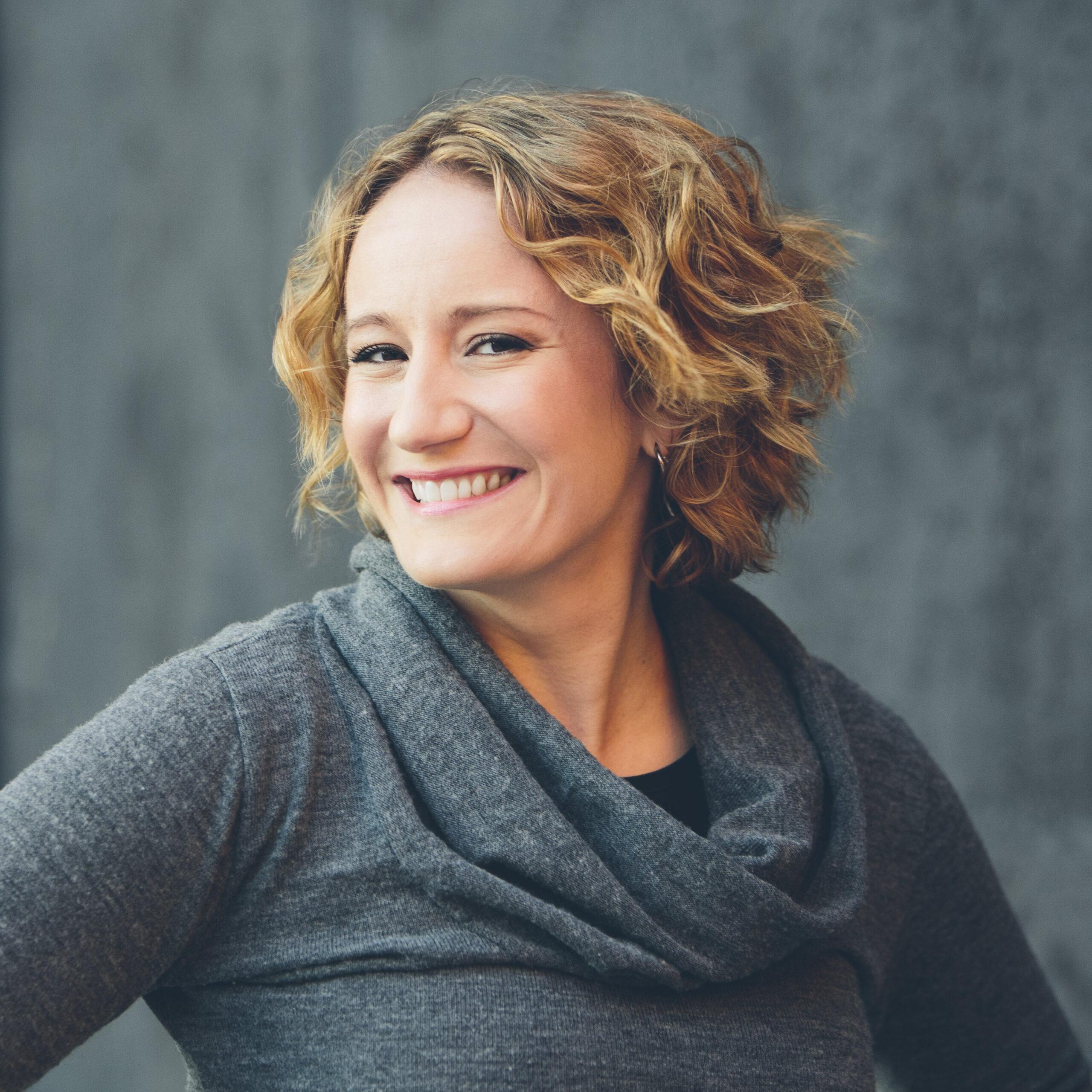
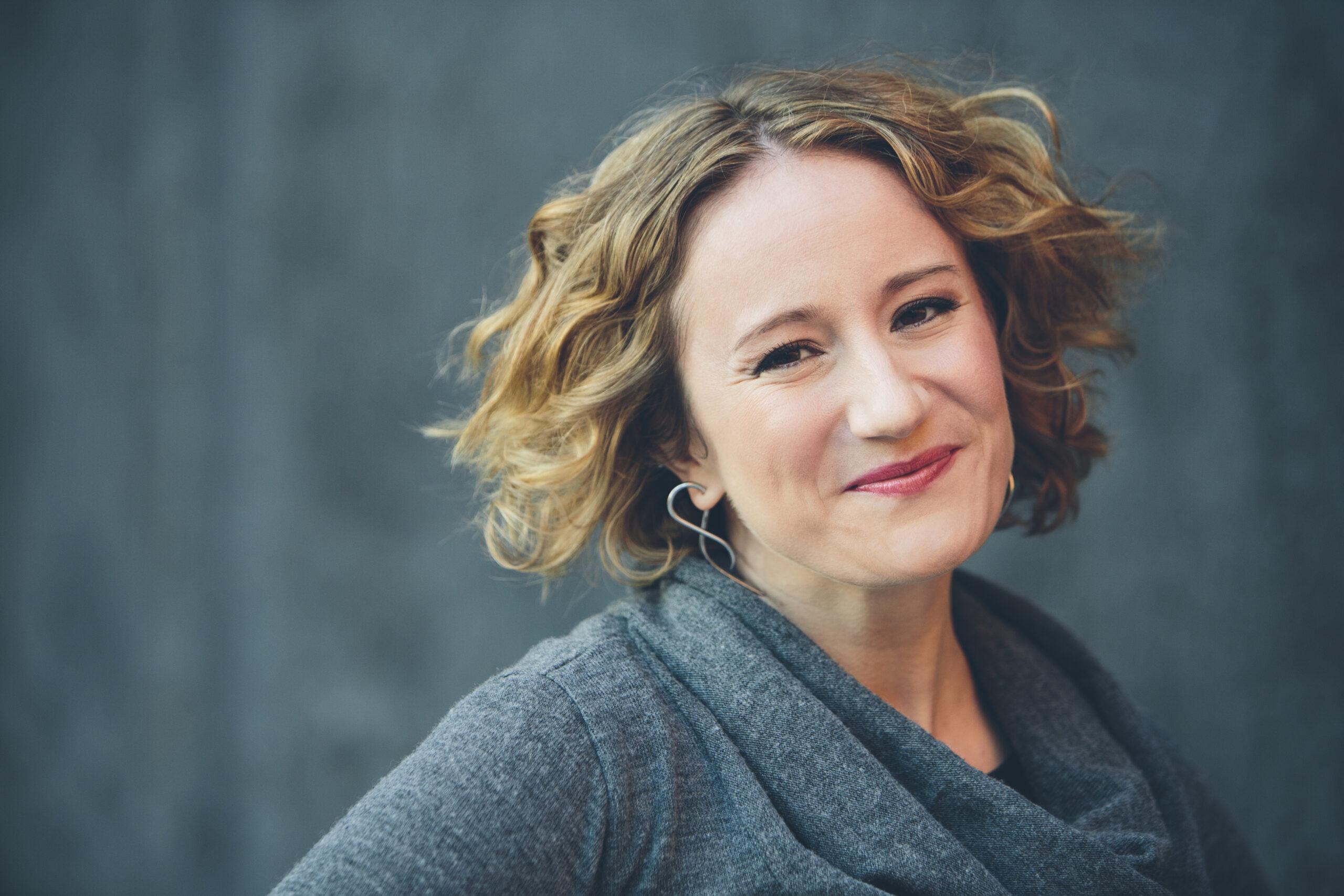
danah boyd is the Geri Gay Professor of Communication at Cornell University. Dr. boyd’s research focuses on the intersection of technology and society. Her latest book “Data are Made, Not Found: A Story of Politics, Power, and the Civil Servants Who Saved the US Census” is an ethnography of the US Census Bureau, Jenga politics, and the struggle to make democracy’s data in 2020. Her first monograph “It’s Complicated: The Social Lives of Networked Teens” examines young people’s relationship to social media. Dr. boyd founded Data & Society, where she currently serves as an advisor. She is currently a fellow of AAAS, a 2026 Sloan Research Fellow, a non-residential fellow at the Center for Democracy and Technology, a trustee of the Computer History Museum, a member of the Council on Foreign Relations, and on the advisory boards of Electronic Privacy Information Center. She was also a founding director of Crisis Text Line, a mental health organization that serves people in crisis. She received a bachelor’s degree in computer science from Brown University, a master’s degree from MIT Media Lab, and a Ph.D in Information from the University of California, Berkeley.
danah boyd is the Geri Gay Professor of Communication at Cornell University. Dr. boyd’s research focuses on the intersection of technology and society. Her latest book “Data are Made, Not Found: A Story of Politics, Power, and the Civil Servants Who Saved the US Census” is an ethnography of the US Census Bureau, Jenga politics, and the struggle to make democracy’s data in 2020.
Dr. boyd has published multiple books, dozens of papers, hundreds of essays, and given countless talks. Her first monograph “It’s Complicated: The Social Lives of Networked Teens” examines young people’s relationship to social media. This book has received widespread praise from scholars, parents, and journalists and has been translated into 7 languages. She has also done extensive research on tech policy, media manipulation, algorithmic accountability, privacy practices, ethics in computing, future of work, social media/platform studies, and teen culture.
Dr. boyd founded the independent research institute Data & Society, where she currently serves as an advisor. She is currently a fellow of AAAS, a non-residential fellow at the Center for Democracy and Technology, a trustee of the Computer History Museum, a member of the Council on Foreign Relations, and on the advisory boards of Electronic Privacy Information Center. She was also a founding director of Crisis Text Line, a mental health organization that serves people in crisis. She is also a former trustee of the National Museum of the American Indian and a former director of Social Science Research Council.
Dr. boyd was honored with a 2026 Sloan Research Fellowship, the 2023 MIT Morison Prize for Science, Technology, and Society, the 2019 Electronic Frontier Foundation Pioneer/Barlow Award, and the 2010 CITASA Award for Public Sociology from the American Sociology Association. The Financial Times dubbed Dr. boyd “The High Priestess of Internet Friendship” while Fortune Magazine identified her as the smartest academic in tech. She was identified as one of Technology Review’s 2010 Young Innovators under 35 (TR35) and selected by the World Economic Forum as a 2011 Young Global Leader.
Dr. boyd received a bachelor’s degree in computer science from Brown University (under Andy van Dam), a master’s degree from MIT Media Lab (under Judith Donath), and a Ph.D in Information from the University of California, Berkeley in 2008 (under Peter Lyman and Mimi Ito). She has worked as a researcher for various corporations, including Microsoft Research, Intel, Tribe.net, Google, and Yahoo! She also created and managed a large online community for V-Day, a non-profit organization working to end violence against women and girls worldwide. She has previously held fellowships or faculty appointments at Georgetown, USC, Harvard, and New York University.